Gum Disease Treatment Options: From Deep Cleanings to Advanced Therapies
Gum disease treatment is an important part of preserving your oral health. It fights infections and prevents damage to teeth and supporting tissues. Gum disease can range from mild inflammation to severe tissue and bone loss, requiring different levels of professional dental care. Modern dentistry offers solutions from conservative deep teeth cleanings to advanced surgeries and regenerative therapies to restore your oral health.
The progression of gum disease
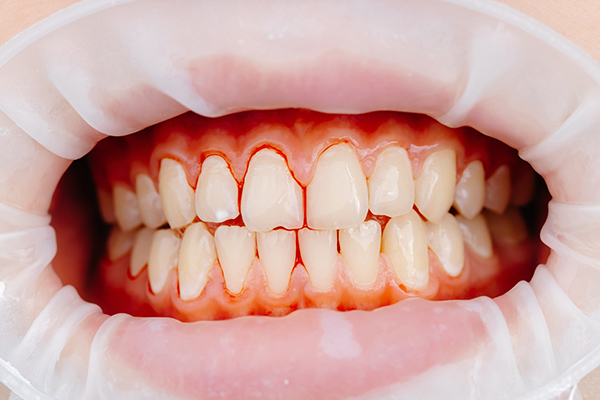
Gum disease typically begins as gingivitis, marked by redness, swelling, and bleeding gums. At this stage, the condition is reversible with proper professional care and improved oral hygiene practices. When left untreated, gingivitis may progress to periodontitis, in which bacteria penetrate deeper beneath the gum line. This advanced stage can lead to more severe symptoms, such as:
- Bad breath
- Gum recession
- Loose teeth
- Bone loss
- Tooth loss
This advanced stage of periodontal disease is irreversible, making timely gum disease treatment essential once the first signs of gingivitis appear.
Common gum disease treatment options
Deep cleanings: scaling and root planing
One of the most common non-surgical treatment options for gum disease is scaling and root planing. This deep-cleaning procedure is when the dentist removes plaque and tartar buildup below the gum line. Then, they smooth the tooth roots to discourage bacteria from reattaching to the bone and gum tissue.
Scaling and root planing help reduce inflammation and encourage the gums to heal. It prevents further progression of periodontal disease and can even reverse the initial damage caused by gingivitis. For many patients with early to moderate periodontitis, this approach provides effective disease control without the need for surgery.
Medications and antimicrobial therapy
In certain cases, deep cleanings are combined with medications to improve the patient's long-term treatment outcomes. Antimicrobial mouth rinses, localized antibiotic gels, or oral medications may be used to reduce bacterial infection. These therapies support the natural healing process by targeting harmful microorganisms that contribute to gum inflammation. As part of a comprehensive gum disease treatment plan, medications can improve the patient's long-term oral stability when used alongside regular and deep dental cleanings.
Surgical treatment options
In cases of advanced periodontal disease, the patient may need to undergo surgical intervention. For example, flap surgery allows dental professionals to access deeper pockets, remove bacteria, and reshape damaged bone. In situations involving significant tissue loss, the dentist may recommend gum grafts to cover exposed roots and protect remaining structures. These surgical gum disease treatment options help control infection and restore healthier teeth and gums.
Regenerative and advanced therapies
In recent years, some dentists have begun using regenerative techniques to rebuild lost bone and tissue. They may offer bone grafts, tissue regeneration, and biologic materials that encourage natural healing and structural support. Laser therapy is another approach that targets diseased tissue while minimizing the patient's discomfort and recovery time. These innovative solutions represent the evolving future of gum disease treatment.
Learn more about Athena Dental Group's gum disease treatment options
Effective gum disease treatment depends on early diagnosis, professional care, and the best available treatment method. Athena Dental Group provides a variety of treatment options to help you manage gum disease and restore your oral health. Call our Woburn office to learn more or to schedule a consultation.
Request an appointment here: https://dentistwoburnma.com or call Athena Dental Group at (781) 999-1817 for an appointment in our Woburn office.
Check out what others are saying about our services on Yelp: Gum Disease Treatment in Woburn, MA.
Recent Posts
If you are searching for veneers that will provide a natural-looking smile, you need tailored care for your oral health and the appearance of your teeth. When a dentist takes this personalized approach, dental veneers can improve the shape, color, and balance of a smile while still looking natural. They carefully plan out the design,…
Preventive dentistry helps patients protect their teeth and gums through childhood, adulthood, and the golden years of life. A healthy smile needs more than occasional attention when something hurts. It needs steady care, regular checkups, and consistent habits that keep small concerns from growing into major problems. Learning how a dentist adapts their approach to…
Dental fillings repair teeth affected by cavities. However, how long they last depends on the selected material, the patient's bite, and how well that patient cares for their smile. With good oral hygiene and regular dental visits, fillings can last many years.A dental filling must handle everyday chewing, temperature changes, and daily cleaning. These forces…
If you rely on implant supported dentures for everyday oral function, a sudden repair may feel like a major setback for your confidence and comfort. While these restorations are designed for long-term durability, their mechanical components can wear down over time. Understanding the restorative process ensures that a solution is reached quickly. Although the titanium posts…